In the green sea of the Manisa plain, on the land where coinage was invented, a new route is coming to life: the Lydian Ancient Wine Route. Running from Sardis to Salihli, from Alaşehir to Sarıgöl and Kula, this trail brings a thousands-of-years-old wine tradition back to life in the hands of contemporary producers. In this geography — called "the land of golden vines" — history and the glass are intertwined; here is the story of the route, its producers, and its grapes.
Lydia: the land of wine and gold
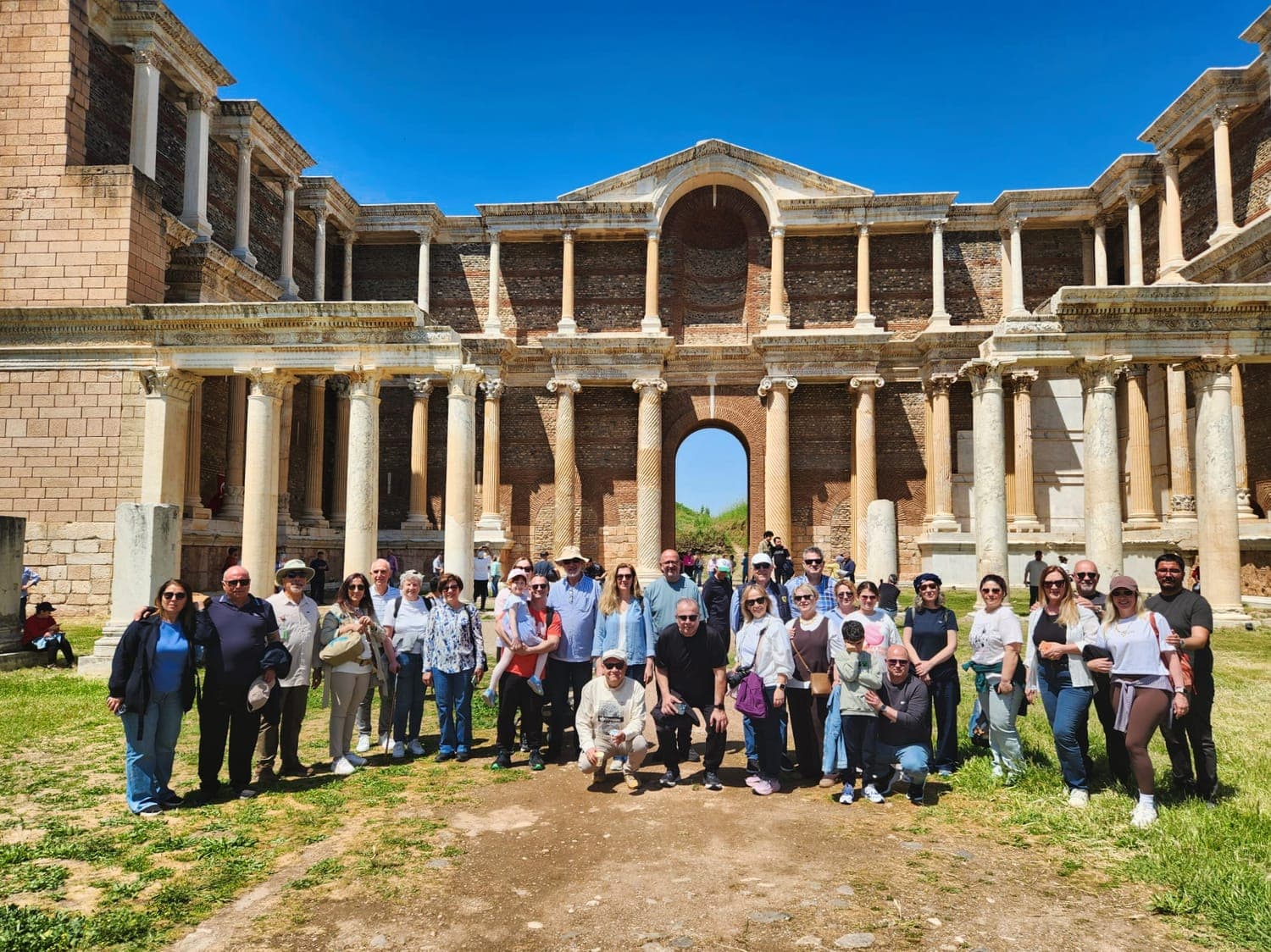
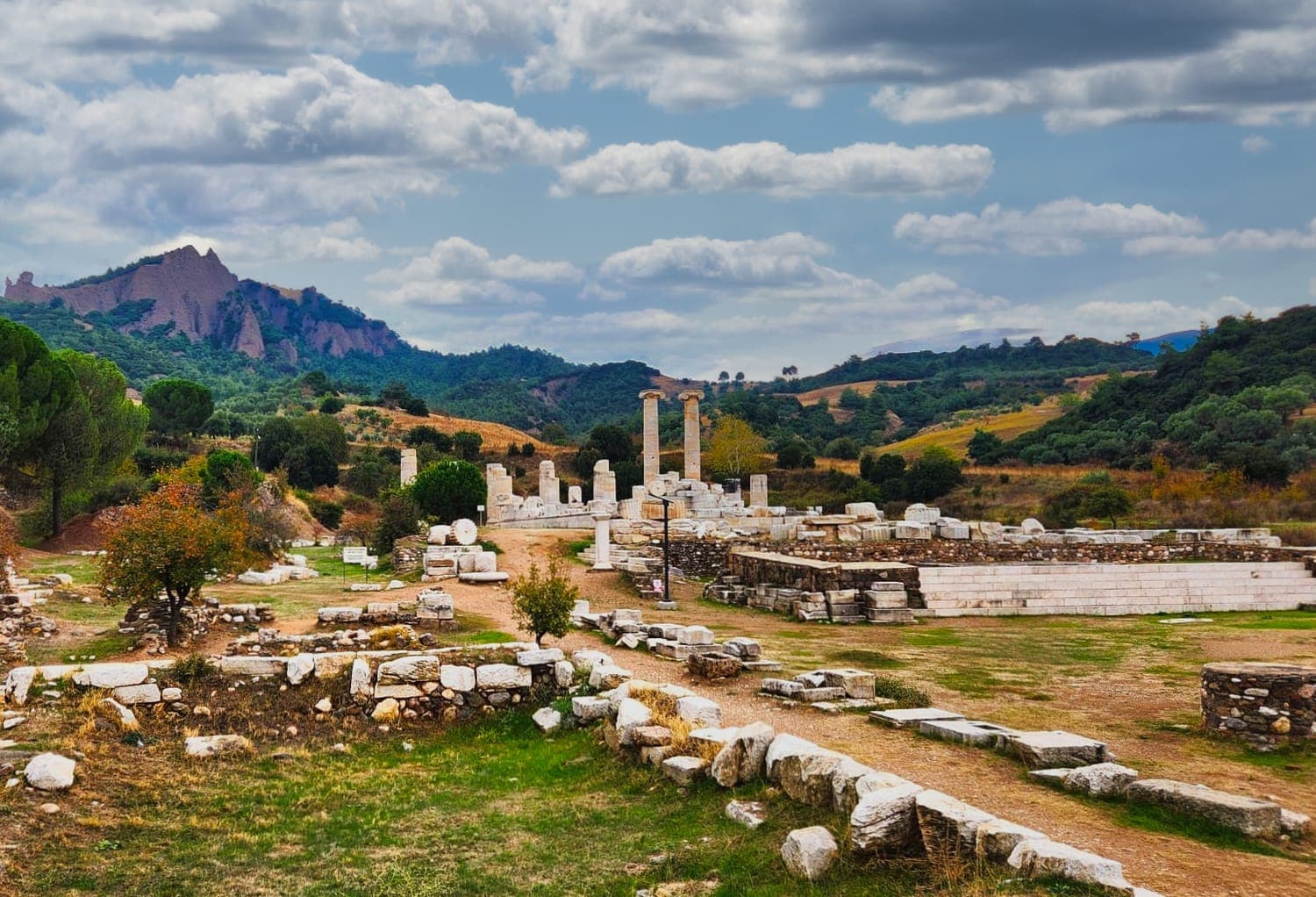
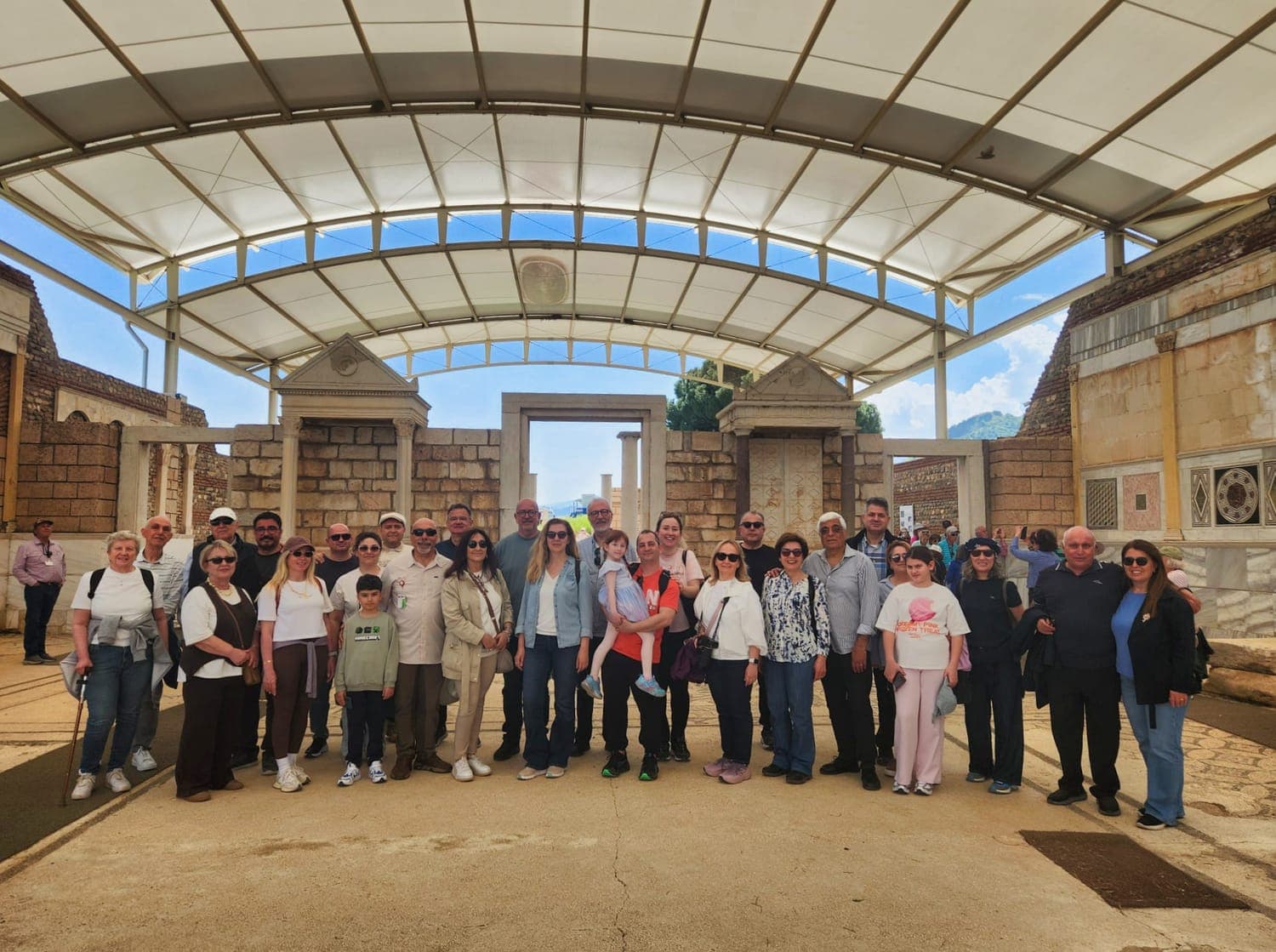
Sardis was the capital of the Kingdom of Lydia, which ruled in the 7th–6th centuries BC, and is known as the civilisation that struck the first coined money in history. King Croesus’s legendary wealth came from the gold-bearing waters of the Pactolus stream. The monumental Temple of Artemis, the splendid Roman gymnasium, and one of the best-preserved synagogues of the ancient world are the traces of this wealth carved into stone.
The Lydians were remembered not only for their riches but also for their feasts and their wines. Today’s wine route transforms this ancient heritage into a modern experience, offering the visitor both history and the glass within the same landscape.
The Manisa plain: the "green sea"
Stretching between Mount Spil and the Bozdağ mountains, the Manisa and Alaşehir plain is one of Turkey’s largest grape-growing regions; it is known as the "green sea" for the vines that reach as far as the eye can see. The region is home both to the world-renowned seedless sultana grape and to an ever-growing number of boutique wine vineyards.
Hot summers, a wide diurnal temperature swing, and fertile alluvial soils ensure that the grapes are both abundant and of high quality. At the heart of the Lydian wine route, this plain unites ancient cities and modern wineries within a single landscape.
The route’s producers
The route encompasses a network of producers spreading from İzmir’s Kemalpaşa across Manisa, Akhisar, Alaşehir, Sarıgöl, Kula, and the surrounding area. Kavaklıdere’s Pendore Vineyards near Alaşehir is one of the route’s flagships, with a portfolio ranging from Öküzgözü and Syrah to Bornova Misketi. Sobran Vineyards, established on the Alaşehir plain in 2005, draws attention with bold, experimental grapes such as Nebbiolo.
These are joined by producers such as Yanık Ülke, Nif, Kastro Tireli, Selendi, and Heraki; each represents a different corner and style of the region. To tour these producers is to experience the diversity of the Lydian geography — from long-established brands to new-generation boutiques — along a single route.
Öküzgözü and experimental grapes
The region’s backbone grape is Öküzgözü; with its large berries, bright acidity, and structure full of red fruit and spice, it is one of Anatolia’s best-loved red grapes. It appears across a broad spectrum, from light and fruity drinking to serious, barrel-aged bottles.
But the excitement of the Lydian route lies in experimentation: as producers adapt international varieties such as Nebbiolo, Syrah, and Malbec to the region, they are also re-evaluating aromatic native whites like Bornova Misketi. This synthesis of native and foreign turns the route into a living laboratory that promises something different with every visit.
Kula and the volcanic landscape
At the eastern end of the route, Kula is Turkey’s first UNESCO Global Geopark; with its extinct volcanoes, formations reminiscent of "fairy chimneys," and black volcanic soil, it offers a wholly different terroir. The town of Kula, preserved with its Ottoman-era stone houses, lends cultural depth to the wine route.
The signature that volcanic soils impart to the grape’s mineral character makes the region especially intriguing for wine enthusiasts. Running from the ancient grandeur of Sardis to the moon-surface landscape of Kula, this trail is a history–nature–wine trilogy rarely matched in Turkey.
Planning the route
Since the Lydian wine route spreads across a wide geography, it can be arranged either as a single day — a visit to Sardis plus one or two wineries — or as a more comprehensive programme spread over two days. From İzmir, Sardis is about 1.5 hours; as the route advances eastward, Salihli, Alaşehir, and Kula are added in turn. The most rewarding period is spring and the September–October grape harvest.
Since most producers work by appointment, it is essential to plan the visits in advance. At Plume, we tailor the route to your interests and prepare a programme that balances history and tasting, with the driving entirely in our hands.