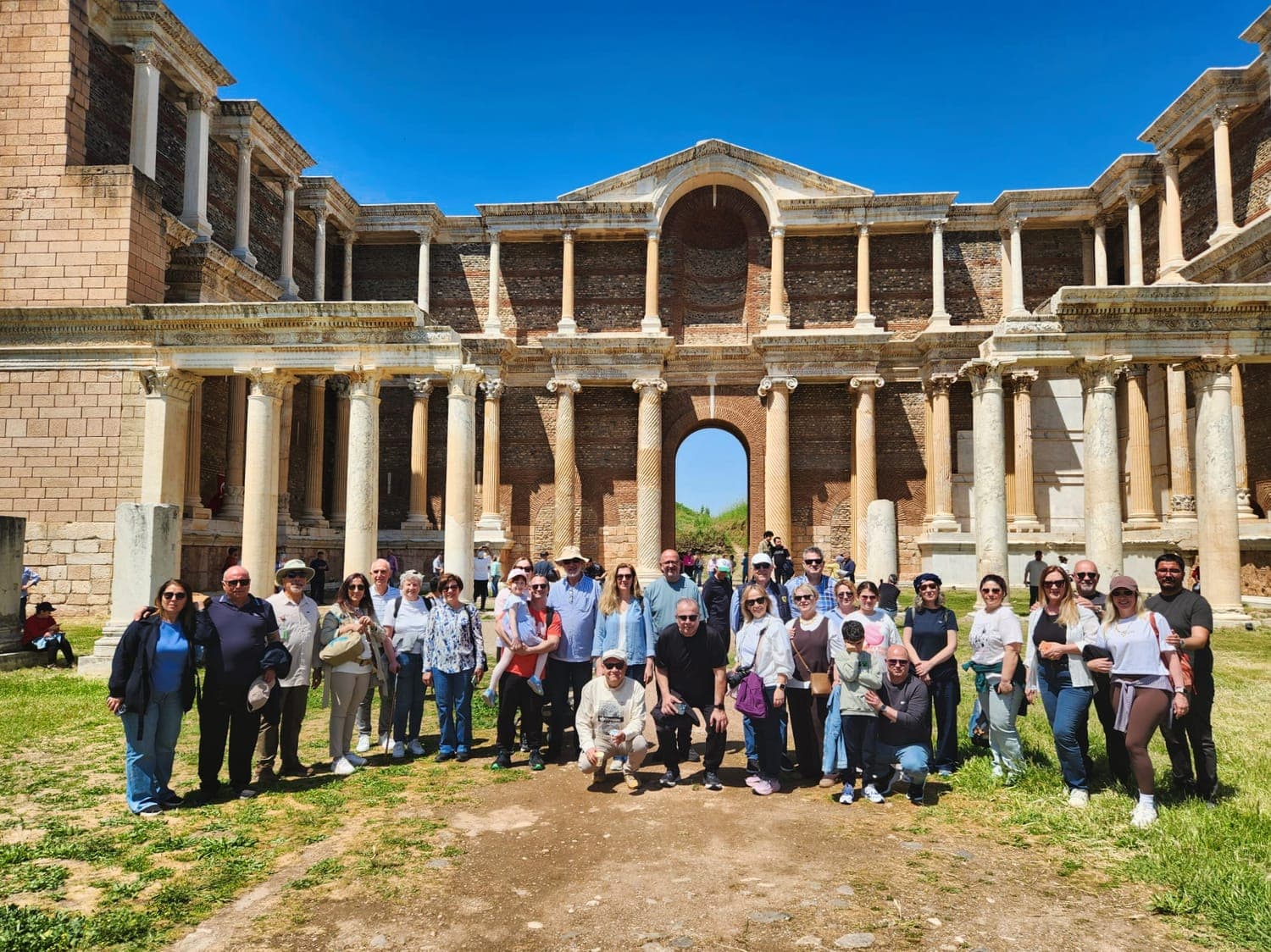
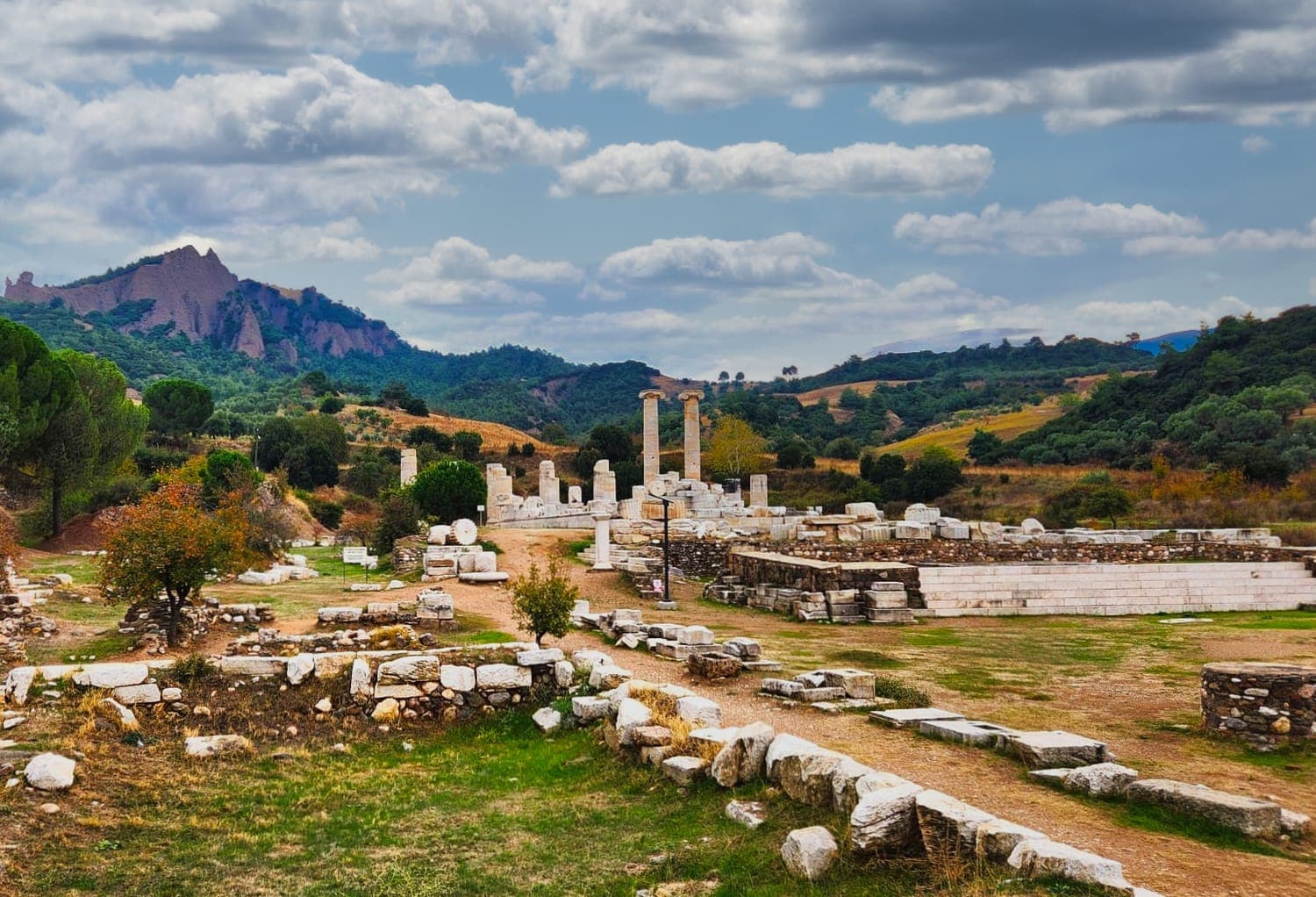
Seeing Ephesus by day is impressive; but when the marble avenues empty, when the library façade is bathed in light, and the air turns cool, the ancient city becomes something else entirely. To wander one of the best-preserved Roman cities of the Mediterranean — without shoulder-to-shoulder crowds, in an almost cinematic silence — is a rare privilege. Here is a guide to the night visit, to the treasures around Ephesus, and to a practical plan for your trip.
Why visit at night?
In summer, the shadeless marble avenues of Ephesus can be exhausting at midday; a night visit not only spares you this heat but also offers a serene experience far from the dense daytime flow of tourists. Professional lighting casts dramatic shadows over the columns and reliefs that are invisible by day.
If the ancient city is an open-air museum by day, by night it becomes a stage. The stories the guide tells — a merchant’s daily walk, the politics swirling in the agora — are far more vividly imagined in this dim atmosphere.
The Library of Celsus — the city’s star
Built in the 2nd century AD by his son in memory of the Roman consul Tiberius Julius Celsus Polemaeanus, the library is Ephesus’s signature. Its two-storey façade is adorned with statues of Wisdom (Sophia), Virtue (Arete), Thought (Ennoia), and Knowledge (Episteme); this façade is masterfully and subtly curved to create an illusion of depth.
Once holding more than twelve thousand parchment scrolls, the library housed the ancient world’s third-largest book collection after Alexandria and Pergamon. Standing before the illuminated façade and contemplating that number is one of the moments that makes the night unforgettable.
Marble Street, the Theatre, and the terrace houses
On the stones of Marble Street, which runs from Celsus to the Great Theatre, the tracks of ancient cart wheels are still visible. The theatre, seating roughly 25,000, enchants even today with its acoustics and is held to be the place where Saint Paul preached.
If you have the time and the budget, the separately ticketed Terrace Houses should not be missed: the homes of wealthy Ephesians, adorned with frescoes and mosaics, open a window onto Roman daily life. For night visits, it’s necessary to confirm in advance whether this section is open.
The House of the Virgin Mary — a quiet place of pilgrimage
On Mount Bülbül above Ephesus stands the House of the Virgin Mary, the stone dwelling believed to be where the Virgin Mary spent her final years. Held sacred by both Christians and Muslims, this modest place is a tranquil site of pilgrimage that several popes have visited. The wishing wall and the healing spring beside it are part of the ritual of the visit.
This is usually added to the daytime programme; if you wish to combine it with a night visit, an ideal flow is the House of the Virgin Mary in the late afternoon, followed by a descent into the ancient city at sunset.
Rounding it off with Şirince
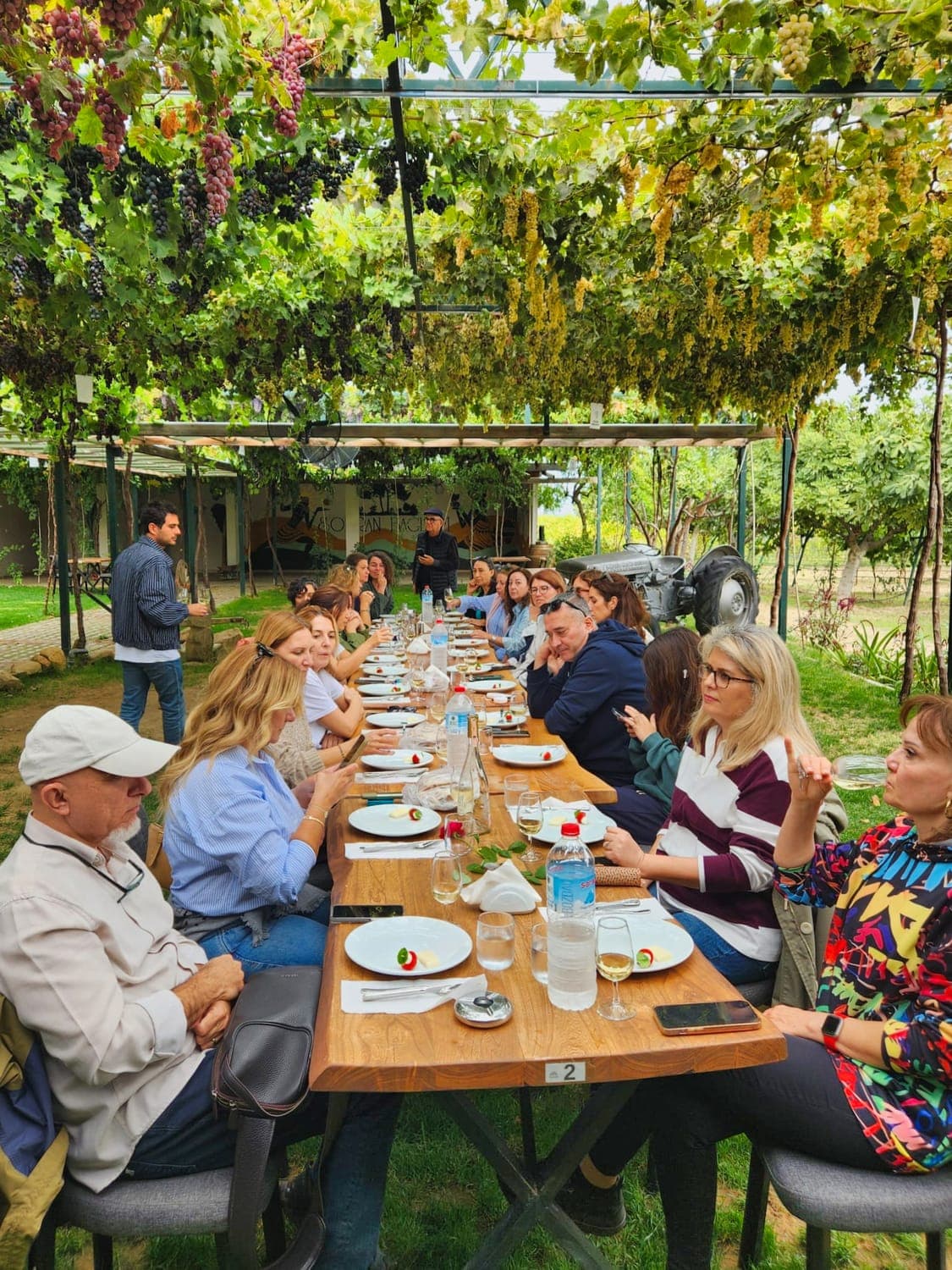
Ten minutes from Ephesus, Şirince is a former Greek village; with its stone houses, narrow slopes, and fruit-wine stalls, it carries the visit to a gentle finale. The village’s pomegranate, blackberry, and mulberry wines are a local tradition; pausing on a vineyard-view terrace over regional mezes elegantly closes a day steeped in history.
An early dinner in Şirince before the night visit, or sunset in the village after a daytime tour — both combinations work well.
Practical information
Night openings are seasonal and limited; they are generally offered on certain days during the summer months, and the dates can change from year to year. For this reason, confirming the plan in advance is essential. We recommend comfortable, non-slip shoes (the marble is glossy and slippery), a light cardigan for cool evenings, and a tripod for photography enthusiasts.
Transport from central Selçuk or from İzmir is planned together with a licensed guide. At Plume, we track the suitable days when the night opening takes place and build the programme around them for you.