North of Denizli, rising above the valley of the Büyük Menderes, the Çal plateau is the silent giant of Turkish winemaking. Though most people have never heard its name, the greater part of the wine drunk in the country is born of these high vineyards. But Çal is known not only for volume — it is also known for a grape all its own: the elegant, pale-hued, delicate Çalkarası. Here is the terroir of the high plateau, its long-established producers, and the story of this remarkable grape.
The high-plateau terroir
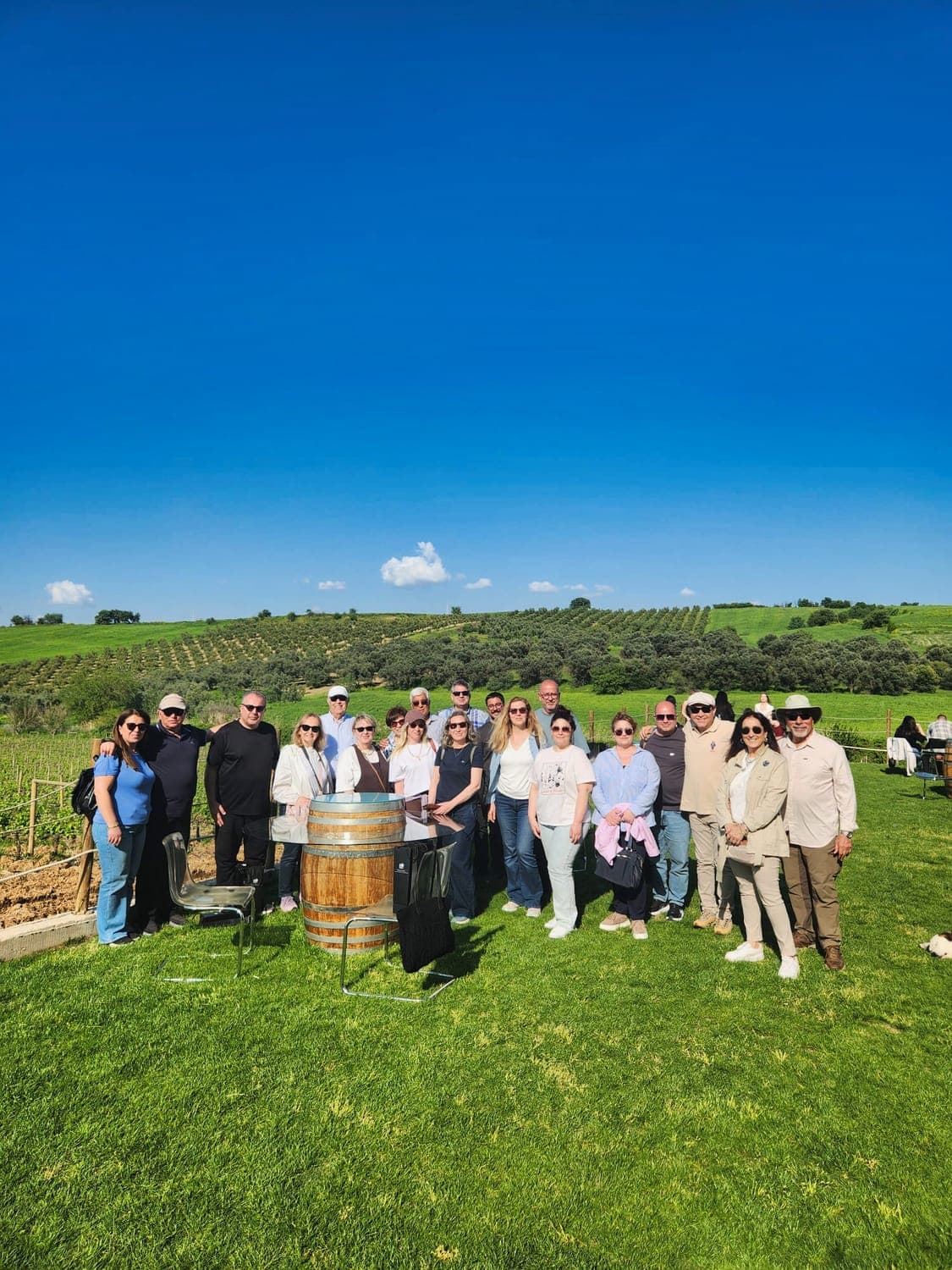
The Çal vineyards grow at roughly 850–1,000 metres of altitude, in a climate that is hot by day but markedly cool by night. This sharp diurnal temperature swing preserves the grape’s acidity while concentrating its aroma — one of the most prized conditions sought for quality wine grapes. The chalky, stony, and free-draining soils force the vine to root deeply and yield grapes of character.
This altitude and soil composition set Çal apart from an ordinary agricultural region. The plateau’s clean air and low humidity also contribute to the grapes ripening in good health and to reduced disease pressure.
Turkey’s wine cellar
Çal and its surroundings supply on their own roughly 38 per cent of the wine consumed in Turkey; the combined capacity of the region’s producers is measured in tens of millions of litres. This makes Çal not merely a local wine route but the backbone of the country’s winemaking. The grapes or the bulk wine of many major brands come from this plateau, without most consumers ever realising it.
Still, Çal’s story is not only about volume. In recent years the region has also been gaining a boutique identity, with producers who bottle and brand their own wine; the Çal Wine Road initiative is the very showcase of this transformation.
Long-established producers
The region’s most long-established name is Küp Şarapları, founded in 1959 in neighbouring Bekilli; with experience spanning decades and a modern facility, it carries Çal’s institutional memory. Alongside it, producers such as Erdel, Kuzubağ, and Lermonos enrich the region’s diversity — some carrying on a family tradition, others bringing a new-generation perspective.
To visit these producers is to see Çal’s two faces side by side: on one hand, a tradition of village viticulture passed down through generations, and on the other, a contemporary wine culture with boutique bottling and tasting rooms. Most producers offer intimate tastings and vineyard tours by appointment.
Çalkarası: a delicate red
Unlike most Turkish reds, Çalkarası is a pale-coloured, light-bodied, and elegant grape; it is bottled sometimes as a deep rosé, sometimes as a finely structured red. With notes of red forest fruits, pomegranate, and a touch of spice, it has a soft-tannined and refreshing drinkability. Registered with a geographical indication, this grape is appreciated both for wine and as a table grape.
Its delicate character makes it especially well suited to summer tables and light Aegean cuisine; a lightly chilled Çalkarası rosé pairs perfectly with olive-oil dishes and seafood. For lovers of Pinot Noir, Çalkarası is a native surprise waiting to be discovered.
Touring the Çal Wine Road
Çal lies about two and a half to three hours from İzmir, and forty minutes from central Denizli; its location makes it very well suited to combining with a visit to Pamukkale. Wandering among the plateau’s vineyards, meeting the producers, and tasting Çalkarası at its source is a genuine discovery for wine lovers who wish to venture off the beaten path.
The best period is spring and the September–October grape harvest; the plateau’s cool mornings and clear light take on their loveliest form in these seasons. If you’re planning a tasting, leave the driving to us, and enjoy the mountain roads safely.